Friday, February 8, 2019

How I manage my anxiety

"Our anxiety does not come from thinking about the future, but wanting to control it."

My first panic attack happened when I was in college. I was 20 years old, working full-time, two part-time jobs in my field, one that consisted of an hour commute each way. I was also in school full-time.

I thought I could manage everything effectively. On top of that, I had homework and studying, I wanted to go to the gym, and for a bike ride on the weekends. I wanted to hangout with my friends, and sit in the cafeteria for dinner.

But eventually, something would have to give. I couldn't do it all, and still get a proper nights sleep.

3 a.m., I woke up in a cold sweat soaking through my pajama shirt, my heart was racing, and I started sobbing.

I couldn't remember if I did my homework for my class the next day, and I was scared.

Should I get out of bed and do it now? Should I set an alarm to wake up early, to get it done before class? Should I just skip?

I started falling behind in classes, and panic attacks became a more common occurrence.

It seemed I could never escape my racing thoughts, or calm down for longer than five minutes.

Over the course of the last seven years, I have tried almost every product marketed to manage anxiety, and every 'tried and true' at home remedy. I have become keen on what works, and what is just a ploy to take your money.

One of the main things to keep in mind, is that with feelings of anxiety or depression, it seems the last thing we want to do as it's occurring is the thing we know will make us feel better. We may know that this has worked for us before, but we feel trapped in our panic, or our feelings of numbness.

It's a mental trap. Take a few deep breaths, and do your best to talk yourself out of it, and try one of these things that have worked for me:

TEA:
I think any caffeine-free tea would help calm down your thoughts, and ease tension you're holding in your body. However, my favorite from all of the teas I have tried is Yogi Tea's Honey Lavender for Stress Relief. I keep a few bags of these in my desk at work, and a few bags in my purse in case I am at somebody's house and feel like tea.

JOURNALING:
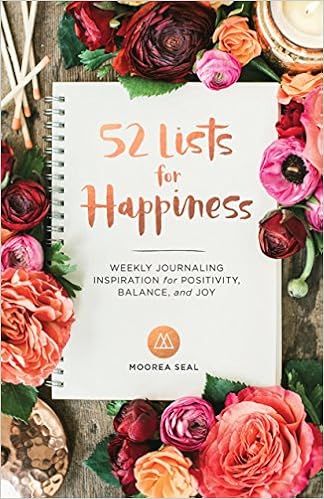


Journaling is one of those things where you know it will make you feel better afterwards, to get your feelings out, but for some reason, many of us are too reluctant lazy, too put pen to paper. Me included. 
I have been liking the "list" journals, because they are easy, don't take a lot of time, and more often then not, inspire you to write more. But, you don't have to have an expensive or themed journal to write. Use the 'notes' section in your phone, write on a napkin, or a journal you have laying around the house. 
Write what you're thinking, what's making you mad or stressing you out, make a pros/cons list. It's a great way to sort out your feelings and re-focus and prioritize what's important. 
Note to self: don't "forget" to journal tonight- take one minute!


CBD:

Image result for green roads cbd relax
CBD has recently grown in popularity over the last year. Cannabidol, is the cannabinoid found in the hemp plant. There is less than 0.3% THC to no THC in CBD, making it non-psychoactive (doesn't get you high). Some of the benefits include: reduced feelings of anxiety or depression, helps promote restful sleep, eases sore muscles and bones, etc. CBD can come in the form of edibles, oil, or cremes. It is best to talk with your doctor before trying CBD. Dosing and affects will vary for each person. 
CBD has helped me tremendously with my anxiety, by allowing my thoughts to slow down, and my heart to stop racing. If I feel like I will have trouble sleeping, I can take a relax bear, or this particular brand, Green Roads, has Sleepy Z's edibles, made with hemp and melatonin. 


BOXING/YOGA:

Everlast Pro Style Training Gloves (Black, 16 oz.)

Gaiam Yoga Mat Premium Print Extra Thick Non Slip Exercise & Fitness Mat for All Types of Yoga, Pilates & Floor Exercises, Citron Sundial, 6mm
Boxing has always been a source of calm for me. You can take all of your stress or anger out on the punching bags, and leave feeling of tension behind at the gym. When I was in college, I attended Punch Boxing Gym, religiously three to four times a week. I met more friends there than I did from my school. It was nice to have a sense of community, people to hold you accountable, and be around people who shared the same interests. 
The same is true for me with yoga, though I only recently got into it. I prefer hot yoga, because I have always liked intense workouts. I feel like in some way the sweating is metaphoric for sweating out all of the bad feelings, along with the bad things held in my body that I no longer need. I'm getting rid of things that don't serve me to hold onto. 
I always tell people, this is true with any exercise. Find a way to move your body that feels good for you, that you enjoy. This could be dancing, karate, spinning, whatever.
If you can afford it, join a gym, and meet people who share the same interests as you. 
If you're in school, attend the gym on campus, or community center, whatever you have access to. 
If not, find a YouTube video and move at home. It all counts!

A HOT BATH:
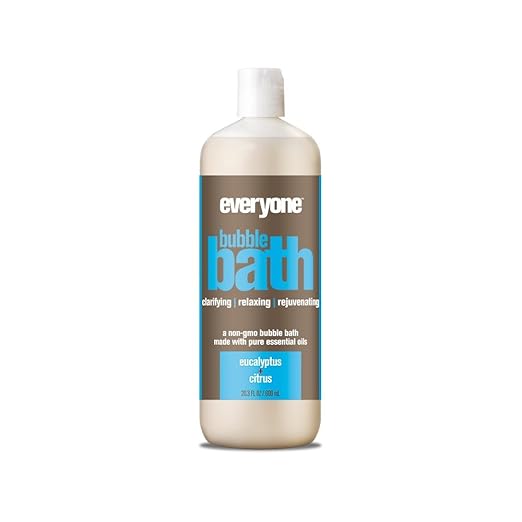
Everyone Natural Bubble Bath, Eucalyptus & Citrus, 20.3 Fl Oz
After a long day, there is nothing better than a hot bubble bath! I don't think I am physically capable of doing nothing, so I will light a candle, put on some good music, and either write or read my book while taking a bath. 

COLOR:


My family used to make fun of me, because I never stopped coloring as I aged. Now that the "adult coloring book" fad has taken off, I'm the one laughing. I was ahead of the curve. The more intricate the design, I think the more your mind is taken off of what is bothering you:you're focused on staying in the lines, what colors to use, and what to do next. If you start to feel stressed or overwhelmed by the page- it is time to stop for the time being and give it a break.

Sunday, January 13, 2019

Bringing your eating disorder on vacation

"Don't let your mind bully your body"
The first thing that comes to mind when I plan a vacation is: where am I going to go to the gym?

There have been too many instances where my eating disorder has gotten in the way of truly getting to experience new things, or enjoying old things with my friends and family; like passing up pizza and bagels in New York, refusing to go to restaurants with my sister in California, and opting for only salad at the all-inclusive buffet on a cruise. My eating disorder loves to vacation, despite the fact that she was never invited.

My family has a tradition to go on a cruise every year at Christmas.

This year was a 7-day cruise of the Caribbean.

Before we were set to depart, immense anxiety set in. I had a good routine going at the gym, and I depended on it to manage my depression. My mom said that she didn't want me going to the gym every day on the cruise, only days when we were at sea.

I didn't like that restriction.

She told me she didn't want me eating only salad.

I didn't like that restriction.

I didn't like the rules. My eating disorder hates rules. She hates knowing she's being watched, and likes to act in spite of rules. I was going to work out. And most likely, I was going to only eat healthy.

She was not invited, but like always, she threatened to stow away in my carry-on. She goes where I do, she reminded me. She did not need a formal invitation.

Sometimes rules can help.

I don't like to count the days of recovery, because every day is work.

When focused on recovery, making rules can be really beneficial in staying on track. For me, the rules were almost anti-rules. Every rule my eating disorder made, for example what foods were considered 'safe', or rules about working out, my recovery mindset would be the opposite.

I promised my mom that while we were on the cruise, I would only go to the gym on days we were at sea all day. When we were at port, we would be walking around and exploring for the majority of the day, so we would still be getting exercise. Plus, I didn't want to be tired or sore.

I told myself that I would not use food or exercise as an excuse to miss out on experience. If my mom or sister asked me to do something, I would do it. I would not skip anything, because I had to go to the gym.

When my mind challenged me, I reminded myself that indulging in a few meals I would not normally eat would not throw me off-track. Having dessert would not cause me to gain a significant amount of weight. Not working out for a few days would not throw off my progress. Vacation is meant to be enjoyed. I reminded myself that my diet and my gym would be there when I got back home. The things in front of me, like local beer, decadent desserts, homemade pastas were not always available to me.

New things

I have never known a vacation where my eating disorder was not along for the ride, so this trip felt truly special to me.

I tried the local beer at every port we stopped at. I had plantains in Dominican Republic. We went to a chocolate factory, where I had the best hot chocolate I ever tasted in my life. I bought two candy bars to bring home, that never made it home, because they were so good. I had rum at Casa de Bacardi in Puerto Rico. I had homemade pasta on the cruise three nights in a row.


We learned how to roll cigars in the Dominican Republic, and in the Bahamas I snorkeled for the first time in the bluest waters I've ever seen.


Of course in the back of my mind, old thoughts were always there. But, I didn't allow myself to act on them. I reminded myself as often as I needed to that these experiences were once-in-a-lifetime.

At the end of the trip, I felt happiness, because I did not allow food or exercise to get in the way of experience. I spent time with my mom and my sister, and I was not angry, or bitter about food or exercise. I wanted time and connection. I felt happy that I was unchained from the disorder for 7 days to truly experience new things, and at the end of the trip, I did not have feelings of guilt that I missed out, or I didn't do something that I wanted to do, and that my mom and sister did not feel burdened or as if they missed out because of my disorder.

Given that eating disorders thrive off rules, I think setting 'anti-rules' can be helpful for some in breaking disordered habits. For example: "I will only go to the gym when x, and if someone invites me to do something, I will not say no, because I feel like I have to go to the gym", or "I know vacation is only x days, so I will try local foods", "I am only home for so long, so I will eat my favorites with no guilt"

At the end of the day, I think there is more unhappiness brought from feelings of missing out and missed opportunities, than if you ate the cake, or had the beer.


Sunday, December 9, 2018

Goodbye, 2018


It feels like just yesterday we were gathered around the TV at the bar, counting down the seconds until the ball dropped, bringing in 2018.

It's now December, and as I type this, I'm on the other-side of the country.

I feel as if things have come full circle in a way. This year brought many changes, both positive and negative, but I wrote my way through them both.

I look forward to the new year and seeing what new opportunities it has to offer.

I'm entering the new year with hope, optimism, and fearlessness.

What I'm grateful for this year:
  • At the 2018 NEDA walk with my sister in Santa Monica, CA. This was the second year we fundraised and participated in the walk.

  • Participating in the 2018 NEDA walk. This was the second year we started a team, raised money, and participated in the walk. It means so much to me that our friends would give up their Saturday morning to support this amazing organization that provides life-saving information and resources. I will always be happy to support this organization.
2018 NEDA walk in Santa Monica, CA. It means the world to me that our friends would give up their Saturday to learn about and support this life saving organization and support my recovery.


  • Meeting an amazing group of friends in LA. I struggled in LA navigating a different way of life than I was used to. I was lucky to find a group of genuine friends.
With my sister at her birthday celebration. Welcome to the last year of your 20's!
We rented a boat in Marina Del Ray for my sister's birthday

  • My sister and I getting to celebrate our birthdays together. We don't get to do this too often. Welcome to the last year of your 20's, Alex!

If you're a bird, I'm a bird

At a polish restaurant for Alex's birthday. One of our favorite places in town
Celebrating my birthday with friends at the Saddle Ranch

  • I was happy to celebrate my birthday with friends. I never really planned anything big for my birthday since I was a kid, so it was nice to have my friends come together for this night. We saw a comedy show, then went to a country bar in Hollywood.


The third Kwasnik sister?

  • Getting to share the story about my eating disorder recovery in a Sunday edition of The Tampa Bay Times. This was a hard one for me to write. Though I write about my recovery journey often, this story gave me the opportunity to share with a much larger audience. I wanted to express certain points and provide helpful tips to any families that may be experiencing similar things. I didn't know where to start- I had so much I wanted to say! I'm so grateful for the Times for their support, and their willingness to publish a story like this, and for the editors sensitivity during editing, and checking in on me that I was comfortable throughout the process.

My story online

I was blown away when I saw the space they gave my story. The artist did an amazing job depicting what I wanted readers to take away from my story


My former editor, friend, and journalist role model, Ernest Hooper, even gave me a shout out in his column. I was so surprised by this !


  • Growing in my yoga practice. I used to never be a huge fan of yoga, because it has always been hard for me to slow down and be present, because my depression always caught up with me. I felt like the wheels always had to be in motion, and I always had to be moving. I was on the run, and I was tired. My practice has helped me tremendously with repairing my relationship with my body: I appreciate seeing the progress in my strength, and what my body can do.

I never thought I would be able to do this!

Yoga has taught me that it's OK to go slow, be present, and take the time needed for yourself

  • Getting to live in Santa Monica, California, for a year and a half. Despite coming to the realization that this life wasn't for me, living there, and with my sister allowed me to heal and fully immerse myself in recovering from my eating disorder and depression, and get over that hump from being out of the hospital. I met an amazing group of friends, I had some great opportunities in my career. My sister and I had the opportunity to bond and spend a lot of time together that we don't often have, living on opposite sides of the country. I will forever be grateful to my sister for her patience with me during this time, her support, and overall, just being there for me. Always. I love you, sis.

Santa Monica is incredibly beautiful. We were fortunate enough to live nine blocks from the beach and Santa Monica Pier. Everyone should spend some amount of time here.

Spending time with my sister and some of my closest friends, before I left for the airport to fly back to Florida. 
  • Accepting a full-time journalism job at the Charlotte Sun in Port Charlotte, Florida. The opportunity provided me the ability to do meaningful work that I love every day. I immediately fell in love with my new community and the people here, and feel honored to be able to elevate their stories to a larger audience.
  • Moving back to Florida: the first and only place that I fully considered my home. I feel as if I breathe easier without the pressure to put on some kind of show, or keep up a lifestyle that doesn't fit who I am.
I'm only a few hours from my mom, so I can go home whenever I want and cuddle with this sweet angel. I realize I can never be too far from my family, or I will feel lost.


Punta Gorda, Florida

  • New friendships and new relationships. I've had some amazing friendships develop this year, which I'm truly grateful for. Friendships are extremely important to me, and I feel lucky to have friends around the country, who I work hard to stay in touch with. You put in the time for things that matter to you. I believe everyone comes into your life for a reason, whatever that reason may be, to provide you whatever you need at that specific time in your life. Regardless of how long that relationship lasts, I never harbor negative feelings. I thank them for what they taught me, and wish them well. 


Goals for 2019:

-Focus on myself, my career, and only things that make me feel happy and alive.
-Cultivate positive friendships
-Eliminate friendships and relationships that no longer serve me
-Write something at least once a week
-Read 25 books this year
-Do things that make me happy and stop asking for permission
-Stop seeking validation from people I shouldn't need validation from
-Be a little more selfish

Monday, December 3, 2018

Joining a gym post-recovery

"Recovery is something that you have to work on every single day and it's something that doesn't get a day off." -Demi Lovato

Early in my recovery, working out was my biggest fear. For me, exercise has always been a slippery slope, as I didn't know how to do it halfway, in a healthy way.

When I was in the thick of my eating disorder, I remember working out until I felt faint. I would go to the boxing gym on an empty stomach, throwing all of my weight at the bags as if my life depended on it. Because in my eyes at that point, it did. My mom was worried because of my weight, I might break a bone. But, I refused to take a day off.

I wanted to work harder than anyone else in the gym, never realizing that no one else was competing. I felt frustrated when my body refused to run on fumes, instead, forcing me to tap out of my workout early.

I felt there was no bigger failure. No bigger embarrassment than people thinking I couldn't make it through a workout.

I had rules when it came to the gym. Lots of them: what I would eat beforehand, how long I would stay, what muscles I would work, what to eat afterwards, or what not to eat.

Two years into my recovery, I had to admit that I'm still not positive how to workout healthy all of the time. I worked at three different gyms, never understanding what my mom meant when she said it was like an alcoholic working in a bar. I thought I could handle it. For me, it was like working in a bar. I could workout whenever and as often as I wanted. And I took full advantage.

I worked out six to seven days a week for an hour and a half to two hours. I was already in the gym for my shift, so it was very easy to work out for thirty minutes before and after work. I was already there, so I would feel guilt for not working out. Not using my time wisely.

When you have a history of exercise addiction, it's a very thin line between healthy behavior and obsession. That line was not often clear to me, especially since I was still trying to hide from my friends and family how much time I was actually spending in the gym.

Behaviors and habits from my eating disorder were still there, and I thought that I was on top of it, but I often acknowledged them, then ignored them.

A co-worker would comment on how much weight I lost... I would briefly worry that I was backtracking, then feel a sliver of pride that I was losing weight again.

When I moved to Florida, I was worried about not having access to a gym, and whether I would gain weight. My mom thought it would be best if I didn't join a gym right away, I thought it'd be best that I did, and not mention it.

But, I wanted to approach it in a healthy way. To do so, I would need rules. A lot of them. A different kind of rules. So, I asked for help. I asked my friends and family what negative behaviors they saw I had surrounding the gym, and made a base list of rules for me when I decided to work out:


  • Never skip an invitation, because I have to go to the gym (regardless of how bad I might not want to go)
  • If I'm tired/sick, etc., do not force myself to work out
  • Do not spend longer than an hour and a half
  • Do not use the gym as punishment for having ate/drank anything
  • Practice intuitive exercise/ intuitive eating
  • If I feel faint, go home, eat, re-hydrate and rest
  • Do not step on the scale under any circumstance
  • If I feel like I'm struggling with over-exercising, ask for help. Be honest about how long I'm spending in the gym
  • Eat to fuel my body, refuel. 
For those looking to get back into a work out plan post-recovery, I would say it is definitely possible. Intuitive exercise is the best approach. Find a way to move your body that makes you feel happy (dancing, boxing, swimming, etc.) Moving is not a way to punish your body. Also, don't rush getting back to the gym. Allow your mind and body time to heal. Ask for help from your support system when and as often as you need it. And most importantly, be kind to yourself. Two years into recovery, I mess up often. When I am stressed, it is easier for me to over-exercise as a form of distraction. When I am hurt, upset, or any other negative emotion, I feel triggered easier, and head to the gym. You will mess up. It's OK. Hold yourself accountable, be honest, and start again. Ask yourself what triggered you, and find an additional method of comfort/distraction besides the gym to practice self- care. 


Saturday, September 29, 2018

Goodbye, LA

"If you go anywhere, even paradise, you will miss your home."
-Malala Yousafzai 


From the day I arrived in LA, I felt like I was on an extended vacation. Never home. Maybe it didn't help that all of the people around me never seemed to be working. Rather, walking around the promenade in and out of shops, sitting in coffee shops on their laptops, tablets, or what-not. But, I did not feel motivated whatsoever.


I even put off buying furniture for two months. (Besides the fact that I couldn't afford it, it just felt too permanent for me, if I wasn't sure if I wanted to stay.)

My mom accused me of romanticizing Tampa. But for me, it was the only place that ever felt like home for me. In Florida, I felt comfortable right away in my surroundings. I didn't get that here. I felt as if I was constantly folded into myself, cringing from the brightness of a non-existent spotlight, always being judged. I was on-edge all of the time. I didn't feel like myself.

I've noticed people put a high priority on brand names: what label your clothes are, what kind of job you have and how much it pays, what kind of car you drive, and even what your significant other does for a living. When dating, the first question people would typically ask was superficial or surface level. Boring.

Everyone has their own set of priorities, and I realized right away that mine did not match my surroundings. I didn't and don't care about going out to clubs and being "seen" or having people follow me on social media (just read my writing). My priority is being at home with my family. My priority is my career. The best compliment I could ever receive would be based on those two things, nothing surface level. I can't help the way I look (or don't), I didn't work for that and am not interested in that.

LA to me is a show, I like to say an artificial New York. The majority of the people are transplants who go there for a reason. They want to "be" somebody. They work so hard to be seen by people who don't really care to see them. It feels like everyone has an agenda. As someone with a large following himself told me, everyone you see in the club has an agenda. 

People in LA don't have the authenticity that New Yorkers do. You never know the real person, because they are always performing. People want to have the best clothes, the newest model car, the best career- but what's real? What interests you? What scares you?

People will agree to plans, until something better comes up. Smile to your face, and as soon as you walk away say 'F- that guy!' At least in New York, if someone has a problem with you, they will tell you right to your face. And if not, you can see it in theirs. There's no hiding.

I am grateful for the experiences I've had in LA. I've met extremely genuine friends, who I am sure I will keep in touch with for life. I'm grateful for experiences both good and bad, because it will always give me something to write about.

The lifestyle very quickly proved it wasn't for me. I've never been one to care about the label on clothes, whether it be for myself, or on someone else. I don't care what you do, how much money you make, or what kind of car you drive. That does nothing for me, and it doesn't impress me. I care about what kind of person you are.

It's weird to me how with dating back in the day, your family and friends would make sure your guy had a job, now they want to know what kind of job.

Who cares?

(please don't work for Magic Mike)

I've been in Florida for three days now, and I already feel as if I can breathe much easier. I want to live a life not curated for anyone's feeds, and that life is here. I drive a beat up car- the AC doesn't work, and the speakers are blown out, but it has four wheels and it moves. I don't like to wear makeup and I walk around with no shoes. I like going to country or dive bars and drinking cheap beer and sharing appetizers with my mom.


I've never stopped writing and I've never given up on journalism. My hands ache when I'm not writing. I am grateful beyond words that writing afforded me the opportunity to be closer to home. I can't wait to get out and explore my new community and share their stories.


Friday, August 10, 2018

I Watched Insatiable Here's What They Got Wrong

I've been hearing a lot of mixed reviews about Netflix's new show 'Insatiable'. The premise of the series is the main girl is bullied for being overweight, and after getting into a fight where her jaw is wired shut for three months, she loses a significant amount of weight. Once she is viewed as skinny, she suddenly has the attention she craved from boys, and to her, all her problems are solved.

People on Twitter voiced their concerns fast. Was the show perpetuating negative stereotypes about women? Was the show perpetuating the idea that only a skinny body is a good body? Was it glamorizing eating disorders?

My first concern was its target audience is young girls.

The show opens up by explaining that the main character has been dieting and struggling with food as early as eight years old. Unfortunately many kids in America do. 80% of ten-year-old's have a fear of getting fat.

I start to feel bad for her, because I can see her mom, as well as the bullies at school contribute to her negative perception of her body. The mom jokes that she's very serious about food, and says, "it can't be easy looking like that and having a mom like me."

This shows how if your mom, caretaker or someone close to you is always talking negatively about themselves, or has a disordered view of food, it can be passed on and picked up by the children around them. This was and still is one of my biggest fears about someday possibly having kids. I want to make sure she has a healthy perception about her body and a healthy view of food.

Before her jaw is wired shut, she is using unhealthy behaviors in attempts to lose weight, like skipping meals, obsessively counting steps, etc.

The girls in her family and her close friend seem to be competing with each other when it comes to food, and if one eats 'junk' food, they are seen as weak. I think women especially can work to actively support each other when it comes to healthy body image and view of food. We can work not to shame each other about our bodies and things we can't change, and instead lift each other up. If someone eats 'junk' food, it does not mean they're weak. Food is meant to be enjoyed, in moderation, of course. But if you want a treat, you're more than entitled. You don't have to 'earn' it.

After she loses the weight, things seem to magically fall into place for her, which is not the case at all.  I think this is an extremely dangerous idea to put in the mind of young girls. The size of your body will certainly not fix all of your problems if your perception and thoughts about your body and food are still unhealthy. The show fails to acknowledge the anxiety that can come as a result of losing that much weight in such a short amount of time. Just because her outside looks different doesn't mean her mental state around food and her body has changed, because she still has an immense fear of being fat, and she still views junk food as something 'bad' and puts herself above that.

I think the show perpetuates the idea that only skinny girls can be seen as desired in our culture.

"She was a beauty queen waiting to happen," one character said about her.

I think if one decides to watch the show, it's important to remember that eating disorders are one of the deadliest mental illnesses, and it is grossly under-treated, and not nearly talked about enough. Your worth has nothing to do about what your body looks like and the physical traits of your body. Your worth is defined by your character, and that doesn't change as your body does.

Overall, I do not think the show intended to do harm. I think it was an attempt at satire that fell short by perpetuating age-old stereotypes, rather than take a different stance or message.

If you or someone you know is struggling with disordered eating, visit nationaleatingdisorders.org

Thursday, August 9, 2018

I Finally Watched 'To the Bone' Here's What They Got Right

It took me a year and a half, but it finally happened. I watched Netflix's "To The Bone", about a girl suffering from anorexia and her recovery journey.

When it was first released I was very fresh into recovery and triggered by nearly everything. I would say I was in recovery, but not really sure if I was ready to commit to it. I put on the movie, and in the first ten minutes, I cried and turned off the movie.

Here's what I'll say: it's a good movie. For those who don't have first-hand knowledge of eating disorders, it can be an educational and eye-opening film. The intended audience is probably not intended for those who have suffered. It is not intending to be triggering or make light of a serious, life-threatening disease.

If you feel uncomfortable by the movie, put it off until you are in more stable footing in your recovery. If you still have you heart or mind set on watching the film, watch it with someone you are comfortable with. Pause the movie if you are having a hard time with a particular scene and talk about how you're feeling and why you feel this way. This can also help the other person understand the way you think about certain scenarios.

Now that I can look at the film objectively and with my first-hand knowledge of what treatment was like for me, I can see what the film did right. And they have many things right.

-People don't know how to confront the sufferer- this is frequently the case and people have different approaches which can be anger, giving up as a result of frustration, or trying to shock them into recovery. In the beginning, Ellen's step mom is upset seeing her body and the number on the scale. She takes a picture of her body and shows her what she looks like, asking her if she thinks it's beautiful. (often times, which was also the case in my own experience, the person suffering will have a skewed vision of what their body actually looks like), however, trying to guilt-trip them into recovery is not beneficial.

The sister says "I don't really get it just eat." She says she doesn't get to have a sister and every time she looks at pictures of the two, she remembers when she was sick. The sister believes her eating disorder was a conscious choice, as she asks her "every time I ask you why you do this I get some stupid, non answer."

A lot of people who don't have knowledge of eating disorders do not understand the internal struggle or how it came to be and will beg, plead, and maybe yell "just eat!" This is frustrating for both parties, as "just eat" is not a viable solution.

Her mom bought her a hamburger cake that says "eat up, Ellen" telling her it's supposed to be funny. This was a 'joke' that used to cause me to freak out, too, because people just didn't seem to understand!

-The sufferer doesn't comprehend the seriousness of the problem: Ellen uses humor to diffuse the situation, which was a coping mechanism I relied heavily on, too, to get the attention off of myself. Her step mom asks her "are you proud of yourself?" to which she responds "I'm maintaining".  Even if you're maintaining your body weight, your weight is not at a healthy level. You cannot see the damage that was done to your organs and the nutrients you may be missing (electrolytes, potassium, etc.).

-Parents/ caretakers feel guilt: Most likely an eating disorder cannot be attributed to one problem or cause, but likely a series of influences that accumulated overtime. Parents often feel guilt of "how did they not see things were getting so bad?" or "how can we not have stopped this from happening?" The mom feels helpless, saying "I don't know what to do, she's dying right in front of us." This is how my mom felt with me, too. Unfortunately, it is something the sufferer needs to confront, and be ready and willing to accept help to get better.

-Isolation: The sufferer will often avoid social situations that involve food/alcohol to stick to their strict food rules, and as a result will spend a lot of time alone. Depression/anxiety can also lead the person to avoid outings.

-Eating disorders don't discriminate: in the treatment center there was a man, a woman of color, a young girl, and a pregnant woman. It can happen to anybody.

-Talking about food/numbers is triggering: in treatment, patients aren't allowed to discuss food, weight, numbers with each other and parents and doctors are encouraged to avoid this type of talk as well. Ellen sent another patient into a panic when she told her how many calories were in each bag of her feeding tube. When I had my feeding tube, another patient said "damn, they're really feeding you, huh?" and from that point on I would "forget" to re-plug my feeding tube after going to the bathroom, I would encourage doctors to turn it off for a period of time, or to slow down the rate of feed.

-Restricting food messes with your body: After an extended time of restriction, you can lose your period. You can start to grow extra hair on your body, as your bodies way to try to keep warm. After your body has fed off the fat tissue, it will go to feeding off muscle, than organ tissue.

-Food rules: The sufferer might have a strict set of rules surrounding what they will/will not eat, the times they will/will not eat, who they will eat with, where and how. These rules most likely will not make sense to anyone else, but to the one suffering they seem perfectly valid and justified at the time.

-More often than not, getting to the root of the problem is not black/white: 
"How do you do it? Eat? I get all panicky thinking about it"- Ellen
"Feel the fear, do it anyway."
"Aren't you scared you aren't going to be able to stop?" - Ellen
"I'm not going to lie... I'm really fucking hungry"
"Whenever I can't sleep I draw food"

This was a big concern of mine as well when I was first recovering. I was so scared that my body would go from one extreme to the other, and that once I started taking in food again, I wouldn't be able to stop. This was not the case at all. My body would crave the things it was missing, if I was tuning in and fully listening to it. I wondered why I would crave things like peanut butter, and my dietitian told me our brains are mostly composed of fats, and my body was deprived of it for so long, my body is telling me that's what it desperately needs to start to heal.

-You can't force someone into treatment- You can, but if they're not ready to accept recovery into their life, then treatment will only be 30 days, their electrolytes and nutrient levels will be stabilized, then most likely they will return home and revert back to their old habits. What you can do is be a friend, be patient, listen, try to understand to the best of your ability, and if you can't listen with empathy to your friend and ask them what you can do to help.


If you or someone you know is struggling with an eating disorder, you can visit nationaleatingdisorders.org for more information and resources.